

Falls City Reviews Solar and Battery Energy Options Through DOE-Funded Study
October 07, 2026
Category: (none)

Press Release
October 7, 2026
Falls City Reviews Solar and Battery Energy Options Through DOE-Funded Study
City officials announce the completion of a comprehensive feasibility study evaluating solar photovoltaic (PV) and battery energy storage systems (BESS) as potential solutions for expanding local power generation and supporting future economic development.
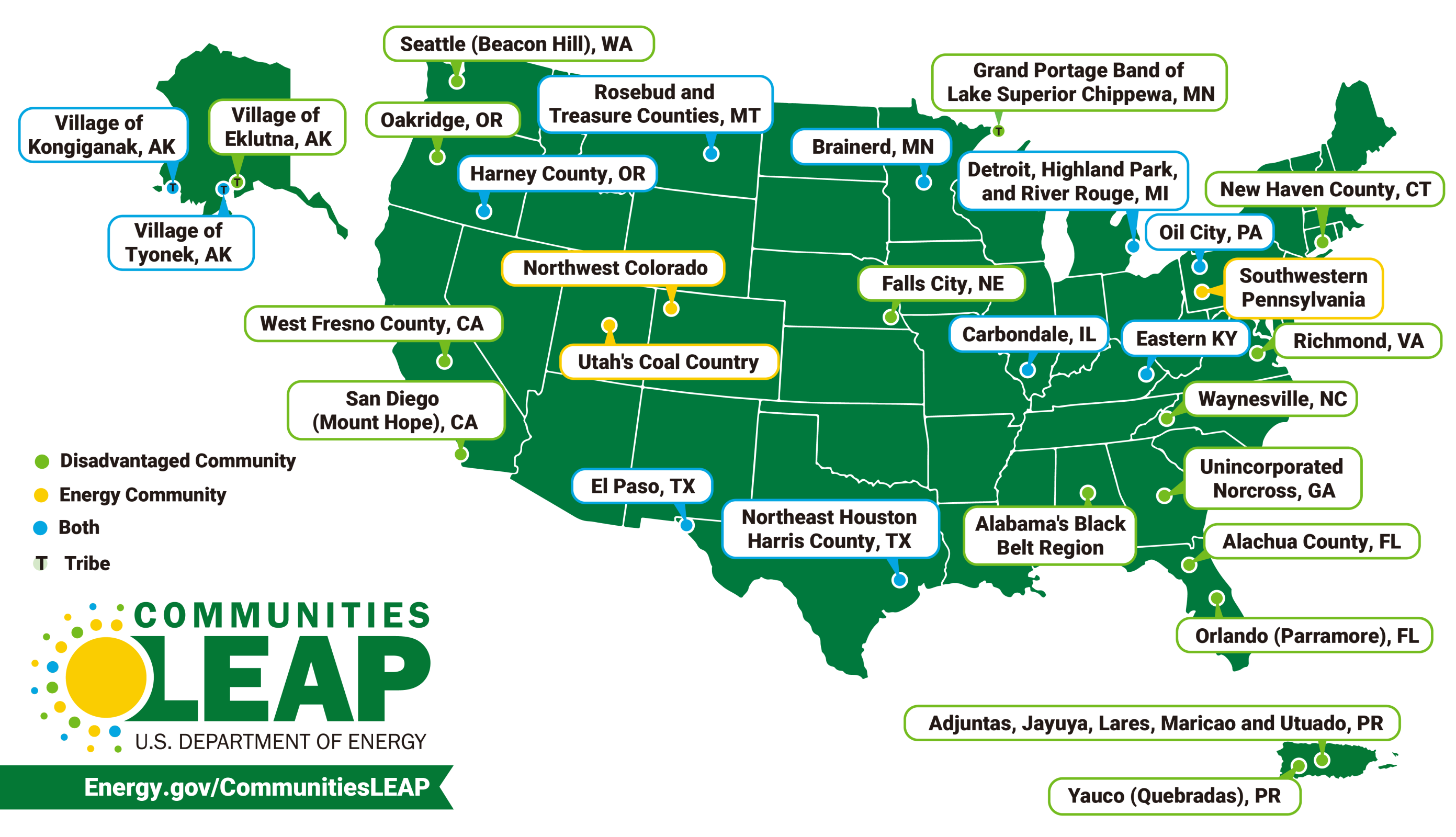
This study was made possible through technical assistance awarded to Falls City EDGE by the U.S. Department of Energy's Communities Local Energy Action Program (C-LEAP) through the National Laboratory of the Rockies. In addition to evaluating solar and battery technologies, the program provided funding to assess the feasibility of a new electrical transmission connection from Falls City south into Evergy's EKC territory.
Most importantly, these studies reflect the diligence of city officials, utility leadership, and community partners in ensuring that the State of Nebraska's $15 million grant, awarded through LB977 and amended through AM1172, together with the City's $20 million utility bond, are utilized in the best interests of Falls City Utility ratepayers. Before committing more than $35 million toward long-term electrical infrastructure improvements, city officials wanted to evaluate all viable options and ensure decisions were based on sound engineering and economic analysis rather than assumptions.
The results provide valuable clarity. While solar generation may become more attractive in the future as technology costs decline or additional incentives become available, the study found that large-scale solar projects are not currently an economically attractive investment under most market conditions. The findings were even more definitive regarding battery storage. Whether deployed as a standalone project or paired with solar generation, battery energy storage systems were not found to be financially viable without substantial subsidies, significant cost reductions, or new revenue streams.
In practical terms, the study found that solar and battery projects would require considerable outside funding to justify their upfront costs and would not provide the same level of value to Falls City Utilities as other infrastructure alternatives currently under consideration.
Falls City will continue monitoring developments in solar generation, battery storage, and energy markets. Should technology costs decline or new funding opportunities become available, these options may warrant future consideration. However, based on today's market conditions and the findings of the DOE-supported analysis, solar and battery projects are not currently the most cost-effective use of resources for Falls City Utilities.
The full study is available to the public and provides additional technical details regarding the evaluation process and findings. By taking a data-driven approach and thoroughly examining all available alternatives, Falls City continues to demonstrate its commitment to protecting ratepayers while building the electrical infrastructure necessary to support the community's long-term future.
For more information, the full report is available at www.nlr.gov/publications.
Project Overview: https://research-hub.nlr.gov/
Project Report: https://docs.nlr.gov/docs/
###